
Walking Tips for Seniors: Staying Safe and Comfortable
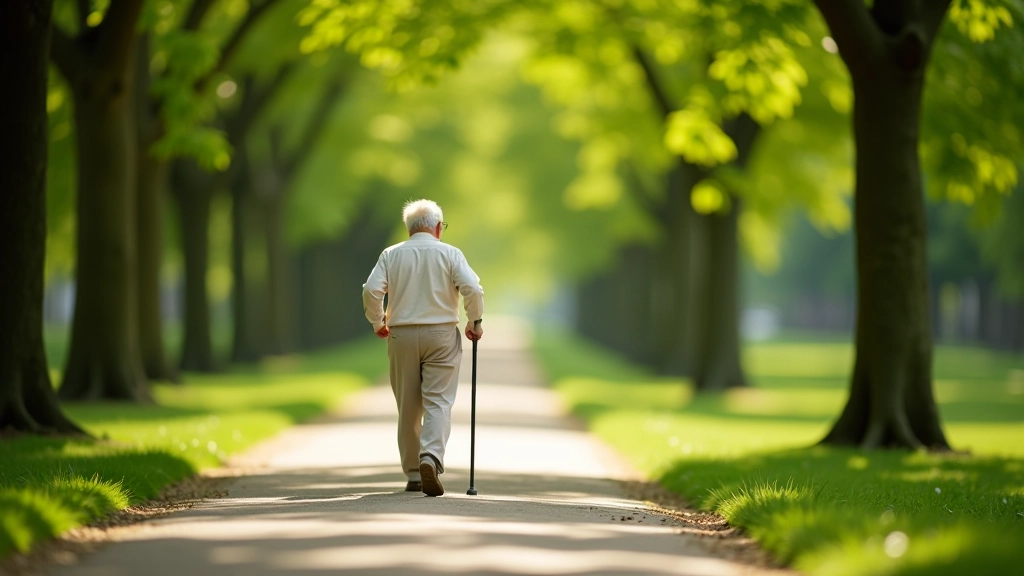
These shade routes aren't just pretty—they're designed with your comfort in mind. We've gathered practical advice on footwear, pacing, hydration, and knowing when it's time to head back. Real tips for real walks.
Why the Right Approach Makes All the Difference
Walking isn't complicated, but it's easy to overlook the details that matter most. You'll notice that people who walk consistently are rarely the ones rushing through. They're the ones who've figured out their rhythm—the pace that feels right, the shoes that work, the breaks that keep them going longer.
The good news? There's nothing mysterious about it. Most of what makes walking comfortable and safe comes down to small, practical choices. We've spent time on these paths watching people walk, and we've talked to people who've been coming here for years. This guide pulls together what actually works.
The Core Principle
Your walk should feel sustainable—meaning you could do this again tomorrow if you wanted to. Not exhausted. Not sore. Just pleasantly tired.
Start with Your Feet: Choosing the Right Shoes
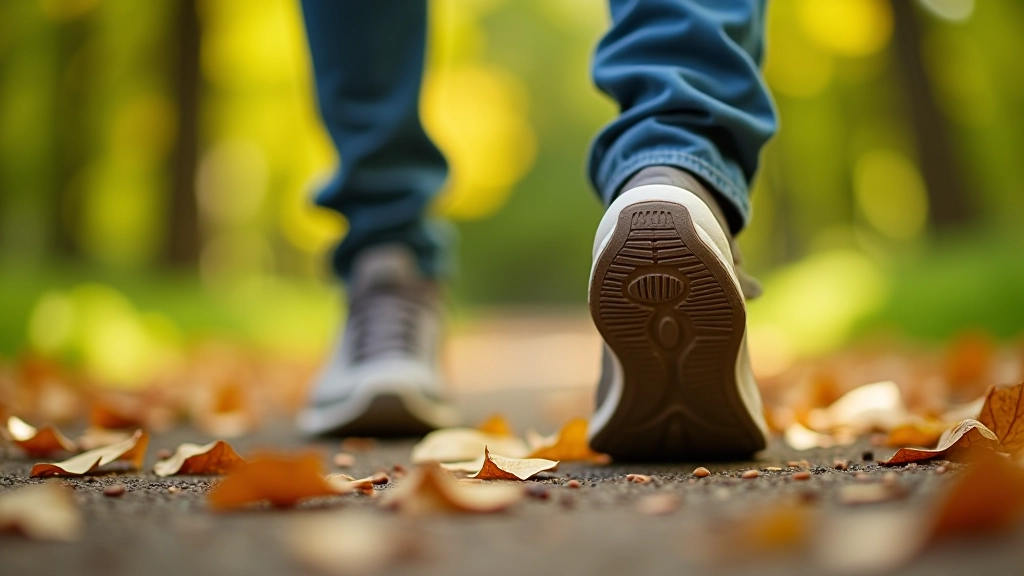
This is where everything begins. Bad shoes don't just make your feet hurt—they affect your knees, hips, and lower back. You'll be surprised how much changes when you get this right.
Not too much, not too little. Your arch should feel supported, not forced. Walk in them for 15 minutes in the store before buying.
Our paths are shaded, which means they're damper than sun-exposed areas. Good grip prevents slipping, especially on days when the ground is slightly wet.
Wear new shoes around the house for a few days before taking them on a long walk. Blisters on mile 2 aren't worth it.
Finding Your Pace: Slow Enough to Enjoy It
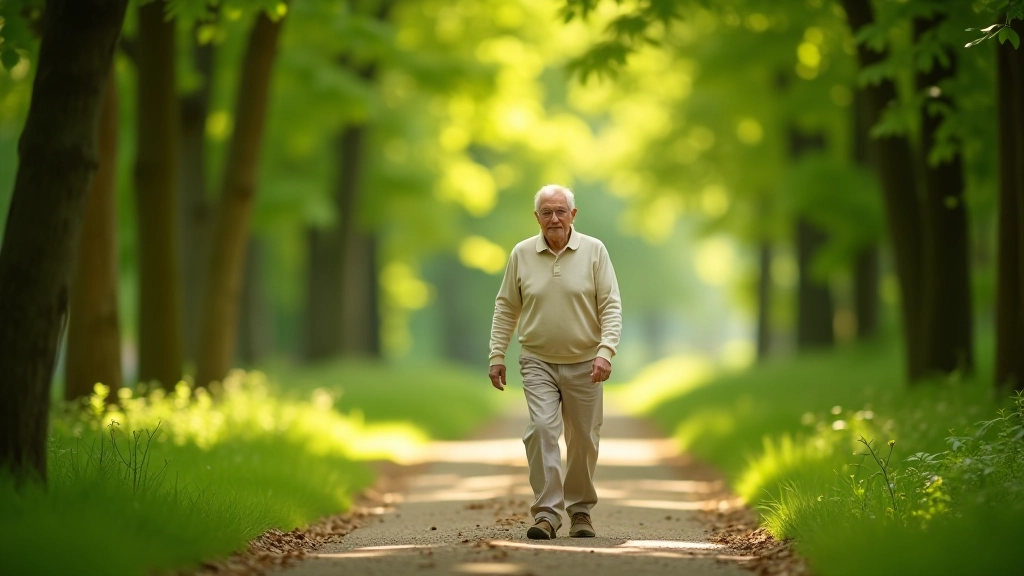
Speed doesn't matter. You've probably heard this before, but it's worth repeating because people still rush. Walking fast doesn't make you healthier—consistency does. A 20-minute walk you do twice a week is worth more than a 45-minute walk you do once and then skip for three weeks.
The test is simple: Can you talk while walking? If you're breathless, you're going too fast. Slow down. There's no prize for finishing first. Some of the people who've been walking these paths for 5+ years move at about 2 miles per hour. They cover the ground, see everything, and feel great afterward.
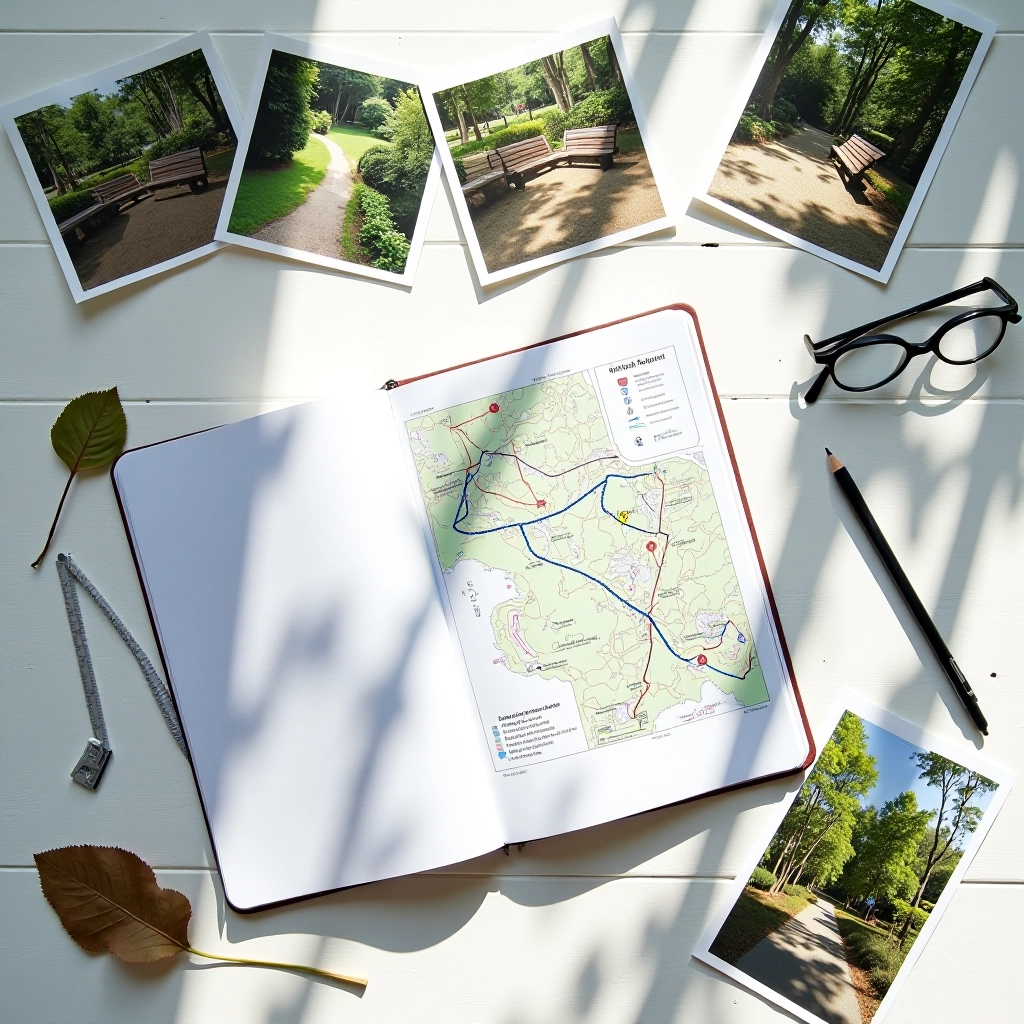
The Maple Canopy Loop takes 45 minutes at a comfortable pace. That's not a race time—that's what it's designed for. You'll notice benches positioned every 10-12 minutes of walking. They're there because we know you might want to sit.
Staying Hydrated Without Overdoing It
You don't need to carry a gallon. A 16-20 ounce water bottle is plenty for a 45-minute walk. Drink small amounts—a few sips—before you feel thirsty. By the time you're thirsty, you're already slightly dehydrated.
Before You Walk
Have a glass of water 30 minutes before you leave. Don't wait until you're at the gate.
During Your Walk
Take a few sips every 10-15 minutes. The benches are good places to sit, hydrate, and catch your breath.
After You Return
Another glass of water within an hour of finishing. This helps your body recover.

Knowing When to Head Back
This is the part people skip over, but it's crucial. Knowing when to stop isn't giving up—it's being smart.
You're feeling dizzy or lightheaded
Find the nearest bench, sit down, and rest for 5 minutes. If it doesn't pass, head back slowly or call someone to pick you up.
Unusual chest discomfort or shortness of breath
Stop immediately. Don't push through this. Sit and rest. If it doesn't improve quickly, seek medical attention.
Sharp pain in your legs, hips, or knees
Pain that gets worse as you walk is a signal to stop. Pushing through can turn a small problem into a bigger one.
You're exhausted, not just pleasantly tired
There's a difference. If you feel like you can barely make it back, you've gone too far. Next time, plan a shorter route.
Mizajmeraėnai Arboretum Editorial Team
Editorial Team
Written by the mizajmeraėnai Arboretum Editorial Team, focused on accurate, practical guidance for accessible shade tree strolls and senior-friendly routes in Vilnius.
Making Walking Part of Your Routine
The people who walk these paths regularly aren't special. They've just figured out what works for them—the right shoes, a comfortable pace, a route they enjoy. You can do the same thing.
Start with a shorter route. The Quick Shade Routes guide covers three paths that take 15-25 minutes. Try one of those first. See how you feel afterward. If you enjoyed it, come back next week. That's how consistency builds.
These paths aren't going anywhere. You don't have to do it all in one walk. Take your time. That's the whole point.
Important Note
This guide is educational and informational only. It's not a substitute for personalized medical advice. If you have health conditions, take medications, or haven't exercised regularly, talk to your doctor before starting a new walking routine. They know your individual circumstances and can give you guidance that fits your specific situation. These tips are general in nature—what works for one person might need adjustment for another. Listen to your body, go at your own pace, and don't hesitate to reach out to a healthcare professional with questions.
Explore More Routes

The Maple Canopy Loop: A Gentle 45-Minute Walk
Follow the main path through the densest maple groves. We've marked all the best rest points.
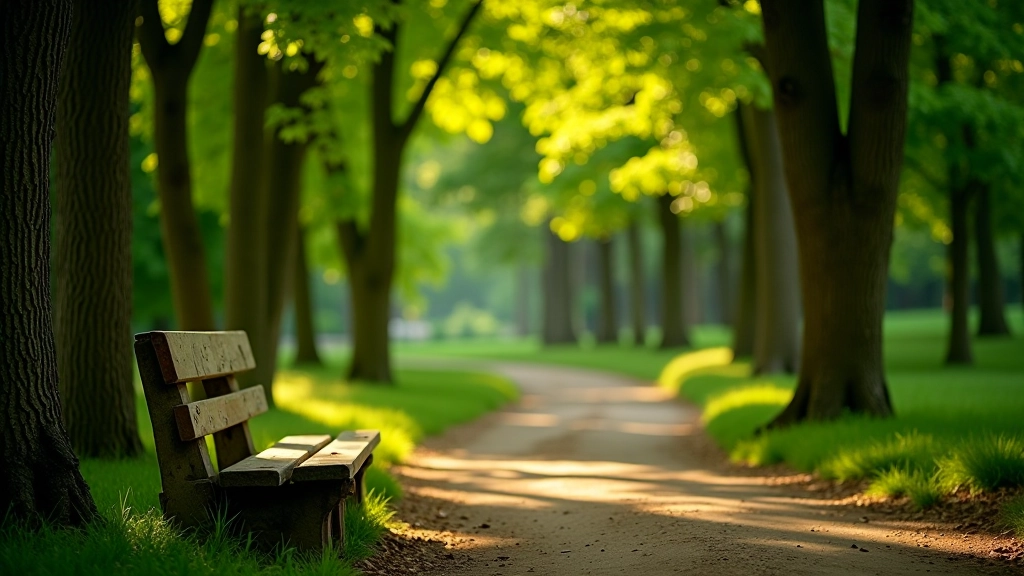
Rest Stop Guide: Where to Sit and What to See
Every bench location offers something different. We've documented what makes each one special.
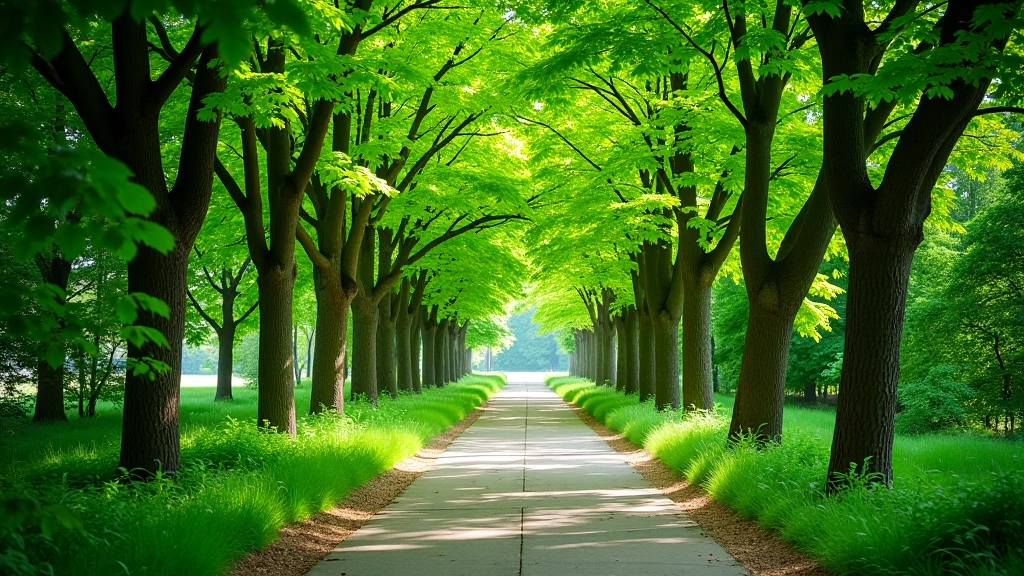
Short Routes for Days When You've Got Limited Time
Not every visit needs to be a long walk. These 15 to 25-minute paths give you shade and fresh air.